
More Than Just a Pretty Face
Brand identity website design is the process of creating a cohesive visual system—including your logo, colors, typography, and imagery—that represents your business across your website and all digital touchpoints. Here’s what you need to create a strong brand identity:
- Define your brand strategy: Understand your audience, mission, and values
- Design core visual elements: Logo, color palette (typically 60-30-10 rule), and typography
- Create brand guidelines: Document how to use your visual elements consistently
- Implement on your website: Ensure your design reflects your brand story and provides excellent user experience
- Extend across channels: Apply your identity to social media, email, and all marketing materials
Your brand identity is more than just a logo or a tagline. It’s a holistic experience—the sum of how your business is perceived by your audience across all touchpoints. Your website often delivers that crucial first impression. Research shows that over 75% of visitors judge a website’s credibility based purely on design. That’s not about being fancy—it’s about being clear, consistent, and authentic.
A strong brand identity helps you stand out from competitors, builds customer trust, and creates emotional connections that drive loyalty. When customers feel an emotional connection with a brand, they have about three times higher lifetime value compared to those who don’t. Your visual identity—when done right—becomes a powerful tool for recognition and recall. In fact, a signature color can increase brand recognition by 80%.
My name is Tyler Smith, and I’ve been helping businesses establish powerful digital presences through strategic brand identity website design since 2016. With a background in marketing management, I’ve seen how a cohesive brand identity transforms a website from just another online presence into a memorable, trust-building experience that drives real business growth.
The Core Elements of a Visual Brand Identity
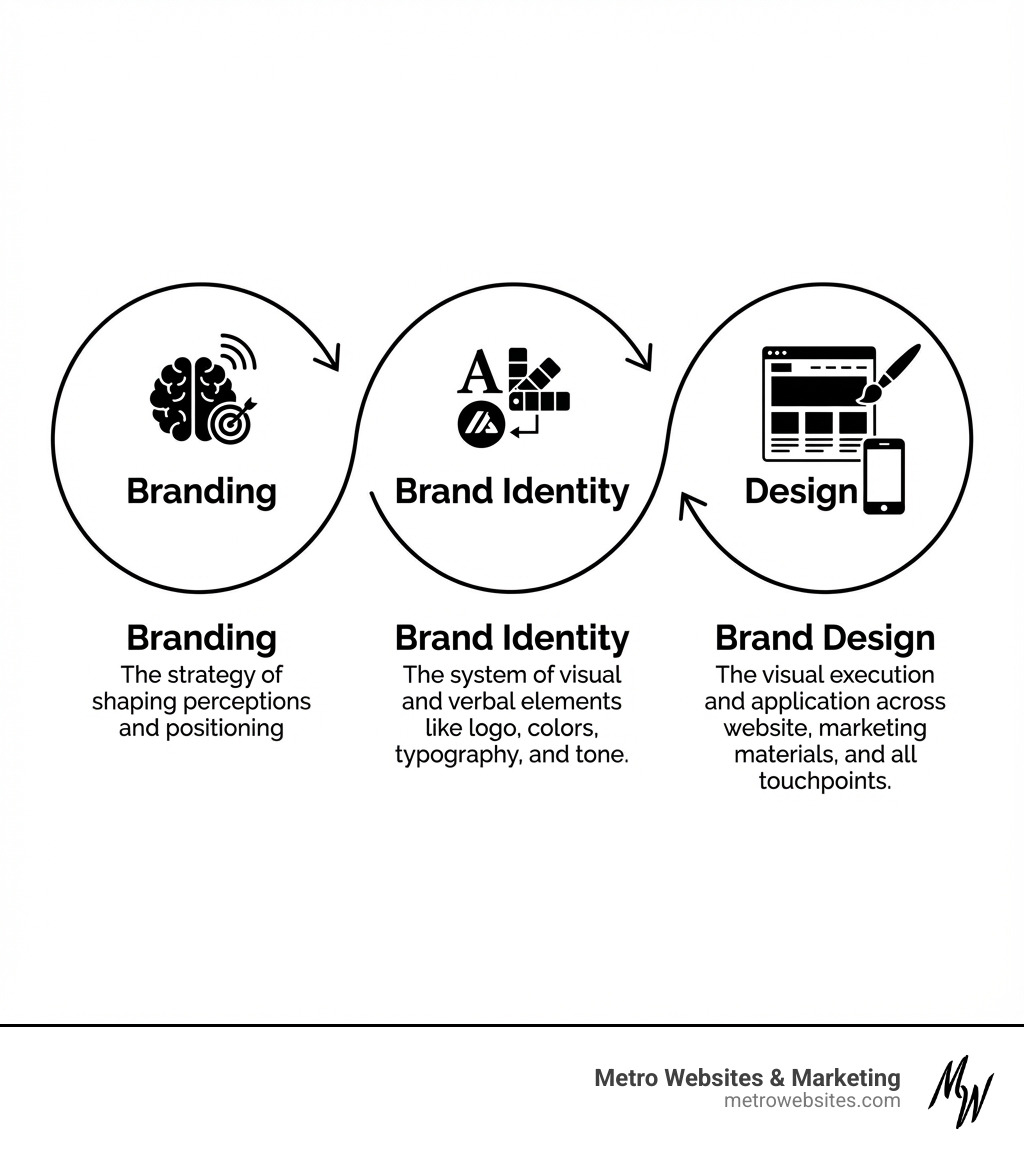
When we talk about brand identity website design, we’re essentially asking how web design translates a brand’s visual identity online. It’s about taking your brand’s essence—its values, personality, and promises—and weaving it into every pixel and interaction on your website. This is where the magic happens, turning abstract concepts into tangible experiences. Visual identity is often the first point of contact, making it crucial for those initial impressions.
The core elements of visual brand identity are like the ingredients in a secret recipe: each plays a vital role, and when combined correctly, they create something unforgettable. These elements (logo, color, typography, imagery) are the building blocks that ensure your website communicates a unified message and helps people identify and remember your brand better.
The Logo: Your Brand’s Visual Anchor
Your logo isn’t just a pretty picture; it’s the cornerstone of your visual brand identity. It’s often the very first thing people see, making it your brand’s most recognizable symbol. A strong logo is simple, memorable, and scalable, meaning it looks great whether it’s tiny on a favicon or huge on a billboard. It should convey your company’s essence and fit your brand’s aesthetic. The strength of a logo can communicate brand values and story within a single view, creating an instant connection. Think about it: a well-designed logo can tell a story without uttering a single word.
At Metro Websites & Marketing, we understand the power of a perfectly crafted symbol. If you’re looking for a logo that truly represents your business, explore our Simple Logo Design services.
The Color Palette: Setting the Emotional Tone
Colors are surprisingly powerful. They evoke emotions, send messages, and guide user decisions, acting as a reflection of your brand’s character. For instance, cool colors might suggest calmness, while warm colors can evoke energy. Blue often induces trust, green conveys peace, and red can be incredibly effective for calls to action. This isn’t just theory; it’s backed by science. A signature color alone can increase brand recognition by a whopping 80%, making your brand instantly recognizable and, ideally, unforgettable.
When designing your website, we consider the 60-30-10 principle: 60% dominant color, 30% secondary color, and 10% accent color. This creates balance and visual interest without overwhelming your visitors. We also ensure sufficient contrast for readability and accessibility, because a beautiful website is only effective if everyone can use it. For a deeper dive into the psychology of colors in marketing, check out this Scientific research on color in marketing.
Typography: Finding Your Brand’s Voice
If colors set the mood, then typography is your brand’s voice—the “vocal cords” of your website, conveying personality and tone. The fonts you choose speak volumes before anyone reads a word. Classical serif fonts, with their little “feet,” might suggest tradition and reliability, making them effective for brands targeting a more established audience. On the other hand, sans-serif fonts often feel modern, clean, and are suitable for technologically advanced industries or design-related companies.
Good typography prioritizes readability and accessibility, with proper line and letter spacing. It also establishes a clear visual hierarchy, guiding visitors through your content effortlessly. Most importantly, typography should become an inseparable part of your brand identity for instant recognition across platforms. Our team can help you find the perfect typographic voice for your brand. Learn more about our comprehensive graphic design services.
Imagery and Icons: Painting the Full Picture
Images, illustrations, and icons are far more than mere decoration; they are essential tools for perception, communication, and navigation in UI design. They breathe life into your brand story, reinforcing your personality and values.
- Photography Style: Whether you use professional photography or carefully selected stock images, the style should consistently reflect your brand’s energy and color palette. For example, a sustainable coffee brand might use organic shapes and earthy tones in its visuals.
- Illustrations: Custom illustrations can tell a brand story without relying on professional photographers or models, perfect for social media posts or infographics. The style—loose or rigid, playful or serious—should align with your brand.
- Custom Icons: Simple, clear graphic designs convey complex information easily. A shopping cart icon instantly signifies checkout. Consistent icon sets create a cohesive visual language across your site.
These visual elements, when chosen thoughtfully, create a subtle yet powerful reinforcement of your brand personality. They’re the fine details that might not be consciously noticed by your audience but still elicit a feeling, putting a bow on an already strong visual identity. Need help crafting compelling visuals for your campaigns? Take a look at our Ad Design services.
Strategic Brand Identity Website Design in Action
Once we have the core elements defined, the real fun begins: bringing them to life through strategic brand identity website design. This is where we move beyond individual components and focus on creating a cohesive, engaging online experience that builds trust and fosters deep engagement with your audience.

Weaving Your Brand Story Through Design
How can storytelling through web design effectively communicate a brand’s essence? It’s about more than just “about us” pages. It’s integrating your narrative into the very fabric of your website. Your brand’s essence—its values, mission, and unique selling propositions—can be communicated through dynamic visuals, micro-interactions, custom content, and engaging layouts.
Authenticity is key here. Consumers today value transparency and genuine connections. Storytelling through web design creates an immersive brand experience and fosters emotional bonds. This could mean using animations, parallax scrolling, or videos to guide users through your brand’s journey. Or, it might involve showcasing customer testimonials and behind-the-scenes content to add a human touch that builds trust. Every element, from the hero image to the call-to-action button, should whisper your brand’s story.
The Crucial Role of User Experience (UX)
User experience (UX) plays a pivotal role in building brand trust and engagement online. Think of it this way: a beautiful website with a frustrating user experience is like a fancy restaurant with terrible service. No matter how good the food looks, you won’t want to go back. A well-designed UX—characterized by intuitive navigation, responsive design, and seamless interactions—makes users perceive a brand as professional and reliable.
Poor UX, on the other hand, can quickly erode trust and drive visitors away. Our goal is to make every interaction pleasant, easy, and intuitive. This includes:
- Intuitive Navigation: Clear paths to information, reducing clutter, and providing straightforward journeys for users.
- Responsive Design: Ensuring your website looks and functions flawlessly on any device, from desktops to smartphones. This reflects adaptability and professionalism.
- Website Speed: Optimizing images and code for fast loading times. Nobody likes waiting!
- Accessibility: Following WCAG guidelines to ensure your site is usable by everyone, including those with disabilities.
The relationship between user experience (UX), customer experience (CX), and brand experience (BX) is deeply intertwined in web design. UX focuses on how a user interacts with a product or service (the website itself). CX encompasses all touchpoints between the audience and the brand (the entire customer journey). BX is the overall experience a customer has with a branded product or service, including emotions and memories—the holistic feeling. A positive UX contributes directly to a positive CX, which in turn shapes a stronger, more favorable BX.
Tone of Voice: Consistency in Your Content
What role does tone of voice play in web content for maintaining brand identity? It’s huge! Your brand’s tone of voice is about “how you say it,” not just “what you say.” It differentiates your brand, delivers relevant content, supports the user journey, and conveys your brand values. Just as a tech company might use sleek and modern fonts, its web content might be direct and innovative. A creative brand, opting for playful script fonts, might use more whimsical and conversational language.
Consistency in your tone of voice across all web content—from UI text and headlines to blog posts and product descriptions—reinforces your brand’s personality and builds rapport with your audience. It helps create a unified user experience, making your brand feel familiar and authentic. Looking for help with consistent messaging across your digital channels? Explore our Social Media Marketing services.
From Guidelines to Growth: Implementing and Measuring Your Identity
A strong brand identity website design isn’t a one-and-done project; it’s an ongoing commitment to consistency and evolution. Once established, the challenge (and opportunity!) lies in maintaining that identity across all digital touchpoints and measuring its impact.
Why Brand Guidelines Are Essential for Your Brand Identity Website Design
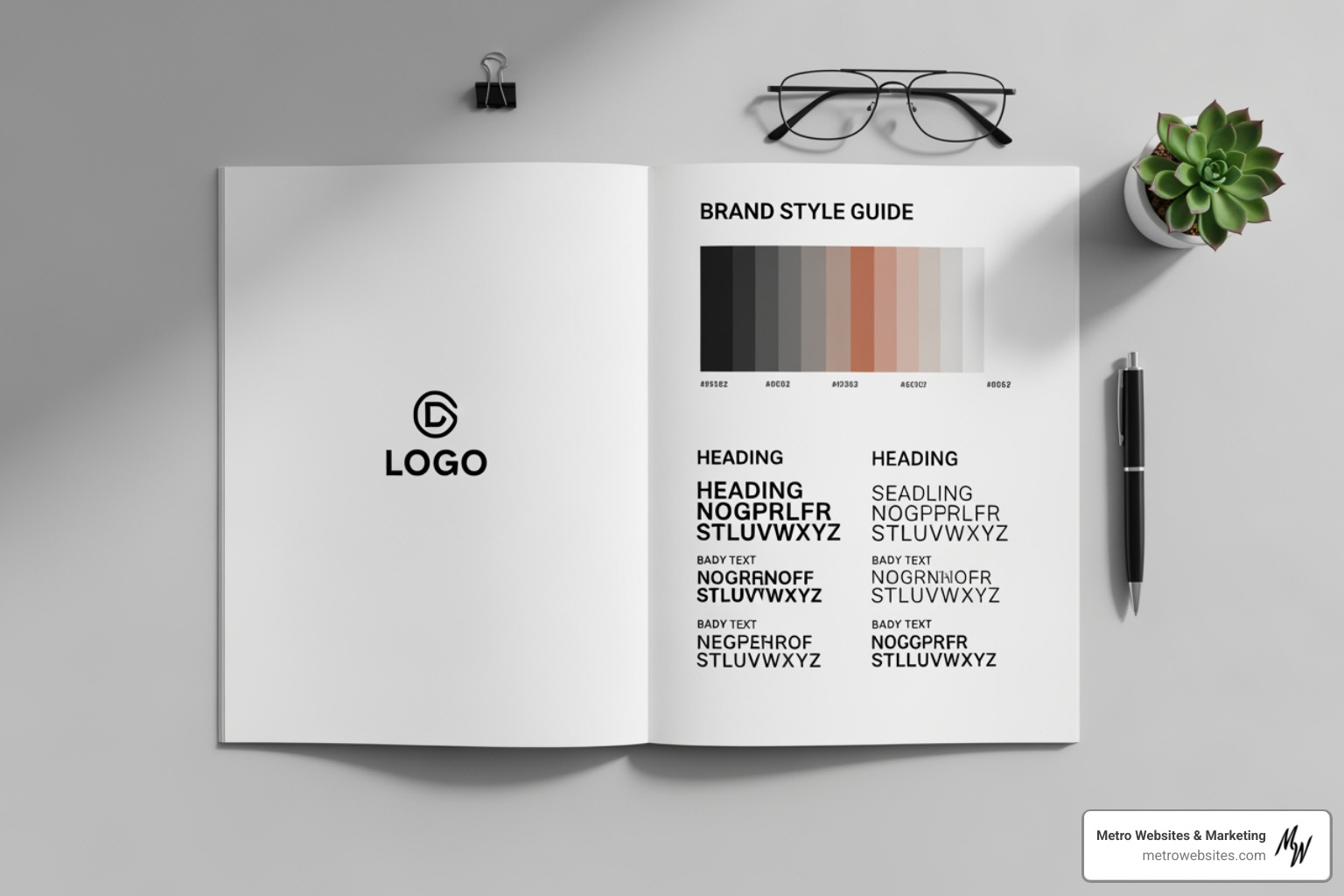
What are brand guidelines and why are they essential for maintaining brand identity in web design? Simply put, brand guidelines are your brand’s rulebook. They capture all decisions about your visual identity and provide clear instructions on how to use different brand elements. This ensures anyone working on your brand—whether it’s our team at Metro Websites & Marketing or your internal staff—maintains a consistent look and feel.
Key components of brand guidelines include:
- Logo Usage: Specific rules for placement, sizing, clear space, and approved variations (e.g., full logo vs. lettermark).
- Color Codes: Exact hex, RGB, and CMYK values for your primary, secondary, and accent colors.
- Typography Rules: Approved font families, weights, sizes for headings and body text, and line spacing.
- Imagery and Iconography: Guidelines for photography style, illustration style, and custom icon usage.
- Tone of Voice: Descriptions and examples of your brand’s voice and messaging style.
Even if brand guidelines are years old, they don’t necessarily require a complete overhaul; interpretation and application are key. They signal reliability and attention to detail, reinforcing recognition and trust. Need help creating consistent visuals for your offline marketing efforts? Check out our Flyer Design services.
Using Design Systems for a Scalable Brand Identity Website Design
How do design systems contribute to consistent brand identity in web development? Imagine having a library of pre-approved, ready-to-use building blocks for your website. That’s essentially what a design system is. It’s a collection of reusable components, guidelines, and documentation that ensures visual and functional consistency across your website or multiple digital products.
Design systems make ongoing service design and development more cost-efficient and faster. Instead of reinventing the wheel for every new page or feature, developers can pull from a standardized set of buttons, forms, navigation elements, and more. This not only speeds up development but also guarantees that every new part of your website perfectly aligns with your established brand identity website design, creating a seamless user experience.
Measuring the Impact of Your Brand Identity
How can businesses measure the impact of their brand identity on their website’s performance? We can’t improve what we don’t measure! Measuring the impact of your brand identity website design involves looking at various key performance indicators (KPIs) and user feedback.
- Website Analytics: Tools like Google Analytics can show us specific search terms that drive traffic, which pages get more visits, and user engagement metrics like bounce rate and time on site. Are certain pages or links getting more click-throughs?
- Conversion Rates: A strong brand identity should lead to higher conversion rates, whether that’s sales, sign-ups, or inquiries.
- User Feedback: This can be direct (surveys, interviews, usability testing) or indirect (observing user behavior through analytics and A/B testing). User feedback is invaluable for understanding perception and driving improvements.
- Brand Recall and Recognition Surveys: Do people remember your brand after visiting your site? Can they recognize your logo or colors?
By actively collecting user feedback and analyzing data, we can continuously refine your website to strengthen customer relationships and ensure your brand identity is resonating. A well-optimized website also benefits from strong SEO strategies, ensuring your beautifully branded site gets seen.
Beyond the Website: A Cohesive Digital Footprint
How can a brand’s identity be implemented consistently across various digital touchpoints beyond the website? Your website is central, but it’s just one piece of your online presence. To truly build a brand that sticks, your identity must be consistent everywhere your audience encounters you. This means applying your brand guidelines to:
- Social Media: Profile pictures, cover images, post templates, and even your tone of voice in captions and replies.
- Email Marketing: Branded templates, consistent imagery, and messaging in newsletters and promotional emails.
- Digital Ads: Ensuring all banners and ad creatives use your brand’s colors, fonts, and imagery.
- Other Digital Products: Apps, online tools, or platforms should all reflect the same consistent identity.
This creates a seamless, channel-agnostic brand experience. Companies that maintain consistent brand presentation across all platforms can see their revenue increase by up to 23%. This unified approach builds familiarity, trust, and reinforces your brand’s professionalism, no matter where your audience finds you. At Metro Websites & Marketing, we offer a range of services to help you build a cohesive digital footprint. Explore More info about our services.
Frequently Asked Questions about Brand Identity Design
What’s the difference between a logo and a brand identity?
This is a great question we hear often! A logo is a single visual mark—a symbol that represents your business. Think of it as the face of your brand. However, your brand identity is much larger. It’s the complete system of visual and verbal elements that represent your brand, including your logo, color palette, typography, imagery style, and even your tone of voice. Your brand identity is the personality, values, and overall perception your business projects.
How does user experience (UX) affect brand identity?
User experience (UX) has a massive impact on your brand identity. A positive UX (meaning your website is easy to steer, loads quickly, is intuitive, and generally pleasant to use) makes your brand feel reliable, professional, and trustworthy. It reinforces a positive perception. Conversely, a poor UX—a slow, confusing, or frustrating website—can severely damage brand perception, making your brand seem unprofessional or unreliable, regardless of how good your visuals might be. UX is about how your brand feels to interact with, which is a core part of its identity.
Can I create a brand identity on a small budget?
Absolutely! While a comprehensive brand identity website design project can be a significant investment, you can certainly start small and build on it. The key is to focus on the most impactful elements: a simple, distinctive logo, a limited but well-chosen color palette, and one or two consistent fonts. Ensure these core elements are applied consistently across your website and primary digital touchpoints. As your business grows and your budget expands, you can then invest in more elaborate elements like custom illustrations, detailed brand guidelines, and advanced design systems. The most important thing is consistency from day one.
Conclusion: Build a Brand That Lasts
We’ve explored the intricate world of brand identity website design, from the foundational elements like logos and colors to the strategic integration of storytelling and user experience. We’ve seen how crucial consistency is, not just on your website but across all digital touchpoints, and how essential brand guidelines and design systems are for maintaining that consistency as your business grows.
Your brand identity is more than just an aesthetic choice; it’s a crucial business investment. A well-defined, consistently applied identity builds trust, fosters emotional connections, and ultimately drives engagement and revenue. It transforms your website from a mere online presence into a powerful tool that communicates your values, attracts your ideal audience, and sets you apart in a crowded digital landscape.
At Metro Websites & Marketing, we’re passionate about helping businesses in Kansas City, MO, build unforgettable brand identities that truly stick. We pride ourselves on changing your ideas into action with professional service and creating digital presences that resonate. Let us help you craft a brand identity website design that not only looks fantastic but also works tirelessly for your business, creating lasting value and a cohesive online presence.
Ready to build your brand identity? Explore our Graphic Design services!